
The Idea of Redemption
Our Chemical HeartsThis thread traces how cosmic absolution first comforts Grace and Henry, then gives way to the more practical work of taking responsibility and forgiving oneself.
increasing Bearing strength in each event
 decreasing
Bearing strength in each eventdecreasingOblivion as Comfort
Oblivion as Comfort
Grace’s cosmic view
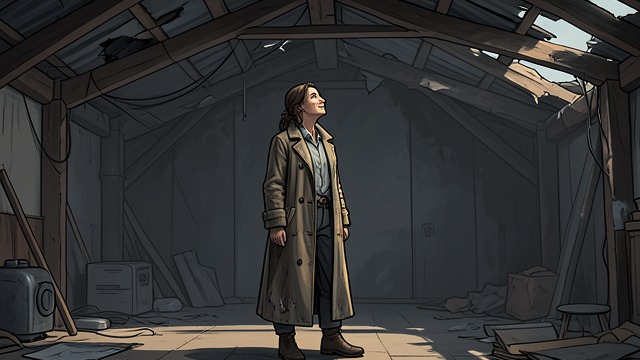
Under the station’s broken roof, Grace describes the universe as beautiful but indifferent. She finds comfort in the idea that individual lives will eventually dissolve back into matter.
Fearlessness through scale
For Grace, oblivion makes human embarrassment and pain seem temporary. Henry is struck by her account, though he has not yet seen how that belief can coexist with her intense attachment to Dominic.
A Guilt-Shaped Debt
A Guilt-Shaped Debt
Cosmic ideas meet personal blame
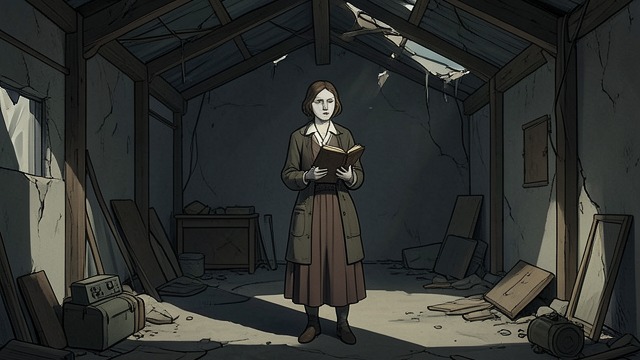
Grace believes that death may be a kind of rest, yet she cannot accept that idea for herself while she thinks she caused Dominic’s death. She treats sadness as a debt she must pay.
The limit of abstract comfort
The universe’s indifference cannot decide what Grace owes the living. Her account reveals that philosophical language may soothe her at one moment while leaving the guilt that governs her behavior untouched.
Human-Scale Repair
Human-Scale Repair
Choosing local action
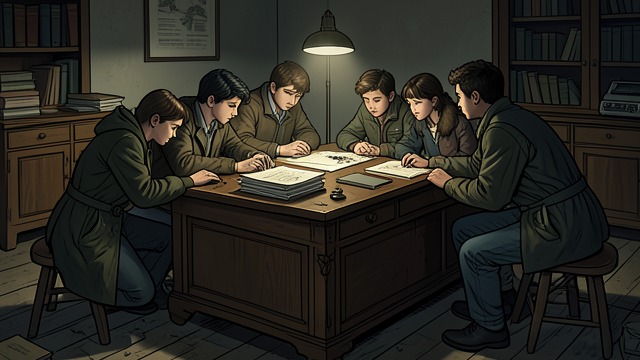
Henry recognizes that distant cosmic redemption cannot repair missed deadlines or heal people who are suffering now. He and his classmates begin making amends through specific contributions to the newspaper.
Forgiveness as practice
The stories in the issue ask for recognition and responsibility rather than an abstract guarantee that every sin will disappear. Redemption becomes something people attempt together in the present, while accepting that consequences remain.
the first night Henry visits the station
after Grace explains the crash
during the newspaper rescue weekend
